


Before starting the treatment of parasites, it is necessary to determine exactly which type is present in the body.This is necessary to choose effective treatment methods, because most drugs are specially designed to get rid of a certain type of helminth.
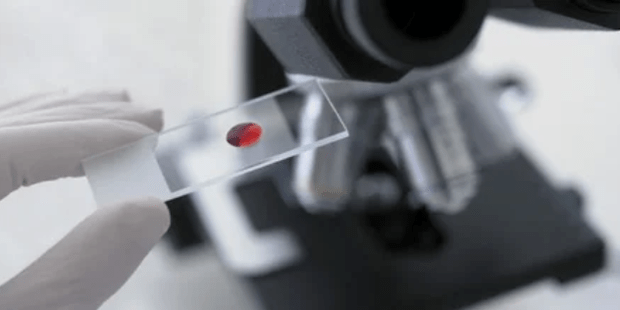
Are worms protozoa?
Sometimes you can hear the statement that the patient is infected with protozoan worms.You should understand that protozoa are only single-celled microorganisms and in extreme cases form colonies.But they are never multicellular like worms and helminths.
In protozoa, all processes occur in the cell cytoplasm and cell nuclei, while in worms, the anatomical organization is more complex: they have differentiated organs that perform specific physiological functions.Therefore, it is fundamentally wrong to classify worms as protozoa.
Sometimes helminths are called protozoan parasites compared to insects: bedbugs, lice, etc., because the latter are higher on the evolutionary ladder.In this interpretation, it is acceptable to call worms as protozoa.
- Symptoms, treatment and prevention of sarcocystosis in humans.
- Do humans have black worms?
- What do worm eggs look like?
The most common parasites
The most common endoparasites are, of course, helminths (worms), which according to various sources infect more than 80% of the world's population.
Most of these parasites are divided into the main types:
- nematodes - roundworms (roundworms, pinworms, Trichinella, whipworms, etc.);
- cestodes – tapeworms (tapeworms, pig and cattle worms, echinococci, etc.);
- trematodes - worms (worms that live in the liver, blood, lungs, and intestines).
Sometimes you can find a more general classification, according to which all types of human parasites are divided into:
- luminal (intestinal), parasitic in the intestines;
- localized tissue in other organs and tissues.
Let's look at a brief description of the most common types of helminths.
Roundworms (nematodes)
- Roundworms are the most common, 20-40 cm long, roundworms that parasitize the small intestine, but first migrate through the human body and affect the circulatory and respiratory systems.In addition to the intestines, these parasites can be found in the liver and gall bladder, heart and lungs.A common symptom of ascariasis is an allergic reaction.
- Pinworms affect the intestines and cause gastrointestinal disorders, fatigue, sleep disorders, etc.are small worms up to 1 cm that cause enterobioses.A characteristic sign of the presence of pinworms is itching in the anus, where they lay eggs.
- Trichinella - these microscopic worms (only a few millimeters in size) cause serious diseases - trichinosis, which can lead to death if not treated.Adult species live in the muscles of the human body (respiratory, facial, etc.), causing muscle pain, fever, swelling, and allergic skin rashes.
- Whipworms are small worms (up to 4.5 cm long, with the front part of the body).
in the form of threads), the larvae cause trichuriasis with diarrhea, acute abdominal pain and other symptoms similar to appendicitis.Anemia develops due to intoxication of the body.
Tapeworms (cestodes)
- A wide tapeworm with a body length of up to 10 m causes the development of diphyllobothriasis with nausea, weakness, vomiting, unstable stools, asthenia and anemia.
- The length of pork is from 3 m to 8 m, it parasitizes mainly in the small intestine and causes two diseases at the same time: taeniasis with dyspeptic, astheno-neurotic and abdominal syndromes and intoxication, cysticercosis with intestinal, allergic and respiratory syndromes.Depending on the location of cysticercosis, muscles, brain, heart, eyes, etc.
- Bovine tapeworm, which can reach 18 m in length, causes teniahrynchiasis and is considered one of the most dangerous types of worms.If deworming is not carried out, it can live in the human body for up to 18-20 years!Localized in the large intestine, it causes severe intoxication with waste products, as well as diarrhea, nausea, vomiting, abdominal pain, anemia, allergic reactions and problems with the nervous system.
- The dwarf tapeworm, which is only 1.5-5 cm long, is the source of hymenolepiasis, which is accompanied by dyspeptic, painful and astheno-neurotic syndromes, which primarily affect the digestive and nervous systems of the body, as well as the liver.
- Echinococcus is considered the smallest tapeworm - its length is only between 2.5 and 8, rarely 9 mm, but infection with it leads to terrible consequences in the form of damage to the liver and lungs, where cysts and tumors are formed, which cause the dysfunction of these organs.
Fluke worms (trematodes)
- Liver gun or liver hair is leaf-shaped, 30-50 mm long, 8-13 mm wide, and has suckers.It damages the lining of the liver and can block the bile ducts, completely blocking the outflow of bile.It can cause cirrhosis, jaundice and liver cancer.
- Cat (Siberian) tapeworm is a flatworm, 4-13 mm long.Localization - ducts of the gallbladder, liver and pancreas.It causes opisthorchiasis with the development of gastritis, ulcers, pancreatitis, cholecystitis and even fatal liver cancer.
- Pulmonary fluke has an egg-shaped, red-brown body with small spines ranging from 7.5 to 12 mm in length and 4-8 mm in width.It affects the lungs, causing inflammation, exudative pleurisy, focal fibrosis and lung cancer.After penetrating the brain, it causes encephalitis and meningoencephalitis.
- Schistosomes (blood flu) are 1-2 cm dioecious worms, whose eggs cause enlargement of the liver, spleen and lymph nodes, the formation of polyps in the intestines, diarrhea, granulomatous inflammation, and bladder cancer.
Diseases caused by them
The most dangerous parasites living in the human body can cause various diseases.Often, a disease caused by a specific parasite has the same name as it.Thus, different types of parasites in the human body can cause the following diseases:
- some parasites inside humans (flukes) cause trematodes;
- Cestoids occur when infected with tapeworms;
- if there are roundworms in the intestines of an adult or child, nematodes are diagnosed;
- leeches cause hirudinosis;
- Anctocephalosis is caused by acanthocephalans.
However, parasites in the human body can affect more than one organ.Depending on the location of parasites in the human body, the following parasitic diseases are distinguished:
- When the eyes are affected, onchocercosis, demodicosis, cysticercosis and miosis can occur;
- Diseases of the gastrointestinal tract caused by unicellular parasites and helminths are ascariasis, trichinosis, ancholiosis, enterobiosis, intestinal myiasis and metagonimias;
- Brain diseases - echinococcosis, toxoplasmosis, alveococcosis and cysticercosis;
- Dermatological diseases - demodicosis, pediculosis, scabies, pullicosis, thrombosis, phthiriasis;
- lung pathologies - echinococcosis, ascariasis, acariosis, alveococcosis, tomincosis, etc.;
- Liver diseases - opisthorchosis, alveococcosis, echinococcosis, clonorchosis;
- Parasites in the mouth, ears and oral cavity can cause various types of miosis;
- Cardiac pathologies - dirofilariasis and echinococcosis;
- Diseases of the genitourinary system - alveococcosis, urate miosis, echinococcosis;
- Vascular pathologies - filariasis and schistosomiasis.
Flatworms
Parasitic flatworms or flatworms (flukes) have a characteristic leaf-shaped body shape.Their structure is quite organized - they have a digestive, excretory and nervous system.They change hosts during their life cycle.
The following types are widespread:
- Siberian bird (cat shoots) or opisthorchis.Often, infection occurs through raw fish, which leads to the appearance of a very dangerous disease - opisthorchosis.Parasites multiply very quickly, which can lead to serious consequences.The worms have a yellowish color and can be over 12 m long.These parasites take a firm place in the human body, causing internal bleeding, disrupting the flow of bile, and disrupting the function of the pancreas.Dangerous consequences: purulent cholangitis, achilia, cholangiocarcinoma.
- Liver swelling.The intermediate host is cattle, and humans become infected by eating poorly processed meat from diseased animals.As a result of infection, the disease fascioliasis develops.These worms are relatively small in size (no more than 5-6 cm), but can cause dangerous pathologies: liver abscesses, cholangitis, hepatitis.Parasite larvae can spread throughout the body through the blood.
- Schistosoma.The worm can settle in blood vessels by consuming blood components.As a result of its vital activity, the development of varicose veins and tumor formations is possible.The main symptom is intense general intoxication.
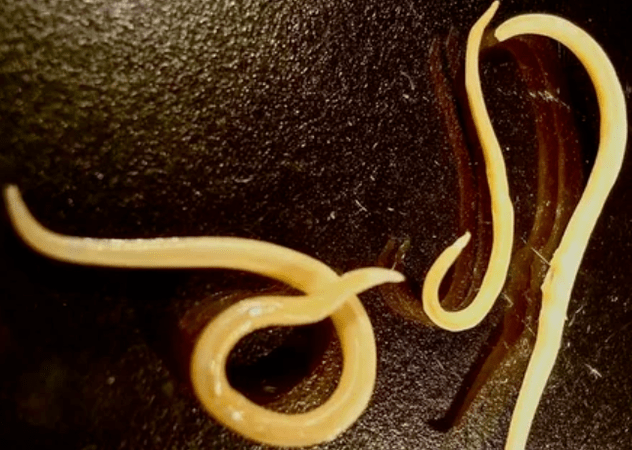
In the human body, you can find many different parasitic worms that can take hold in different internal organs.All of them lead to chronic diseases that can lead to severe pathologies.If any type of helminthiasis symptoms appear, you should consult a doctor to start adequate treatment.
Taurus built a ribbon
The length of the cow tapeworm can reach up to 12 m.It is a hermaphrodite capable of producing over 100,000 eggs, which are excreted in the feces.Eggs fall to the soil and then to plants, which are eaten by cattle.In the animal's body, the eggs develop into larvae localized in the muscles.If a person eats contaminated beef, the larvae enter the intestines.Larvae are not transmitted from person to person.
Adult worms have a head with four suckers, a neck, and a segmented body.The number of segments is constantly increasing;mature segments can detach from the worm and crawl out of the human intestine.
Taurus built a ribbon
Symptoms of the disease are nausea, vomiting, dyspeptic disorders, increased salivation, dizziness, weakness, irritability, fatigue, abdominal pain of unspecified localization, allergies, appetite changes.
There is a scheme consisting of 3 stages to remove the bovine tapeworm from the body: preparation (cleansing the body), treatment with anti-parasitic drugs, recovery (diet, herbal medicine).
Tapeworms
Tapeworms, or cestodes, include a variety of flatworms ranging in length from 2 mm to 10-12 m.The body of such parasites has a unique structure - multiple segments, a neck and a head with suction cups (hooks) for attachment to walls.The cestode is hermaphrodite and the eggs are laid in segments.The worm absorbs nutrients with the entire surface of the body.
The following common types of worms are distinguished:
- Alveococcus.They can cause cholangitis and abscesses, and can spread to the spleen, muscles, and brain.
- Tapeworms, or tapeworms.Bovine tapeworm causes teniarhynchosis and is usually found in the small intestine.Serious complications - cholecystitis, intestinal obstruction, appendicitis.This worm can cause the following consequences: atrophy of the intestinal mucosa, Gunther's glossitis, leukopenia.
Protozoan parasites
Toxoplasma gondii is a type of parasite whose primary host is cats.Warm-blooded animals and humans can also carry them.The disease caused by toxoplasma is called toxoplasmosis.During pregnancy, the course of the disease is mild, except for damage to the fetus in the mother's womb, severe consequences for both the mother and the fetus, and even death.
Amoeba is a simple single-celled organism that is considered to be one of the first living things on Earth.The disease caused by amoeba is called amebiasis.Intestinal infection with a predominant ulcerative lesion of the large intestine with the appearance of bloody diarrhea, possible formation of secondary intestinal lesions with a tendency to become chronic.
Malaria plasmodium is the simplest single-celled organism, during its development period man is the temporary host and mosquito is the permanent host.Parasitic plasmodium in the human body is represented by 4 types:
- P. malarie – four-day malaria;
- P. vivax - three-day malaria;
- P. ovale - three-day oval malaria;
- P. falciparum - tropical malaria;
The duration of the interval between outbreaks depends on the type of pathogen.In addition to all this, anemia develops because plasmodium affects red blood cells.
Giardia is a pear-shaped protozoan with two nuclei and four pairs of flagella.The main source is pigs and humans.Giardiasis is a common disease that primarily affects the liver and small intestine.The disease can occur in both mild and severe forms.
Trichomonas are flagellated, single-celled, pear-shaped organisms that cause trichomoniasis, are sexually transmitted and affect the genitourinary system.It is noticeable that men and women are affected, but the disease in men is usually asymptomatic.
Trypanosomes are a genus of unicellular flagellated protozoa.Trypanosomiasis causes a serious illness and sleeping sickness is fatal for humans.Trypanosomes are transmitted by bed bugs and tsetse flies.In the host's body, the parasite multiplies under the skin, then penetrates the lymphatic system and blood.Most pathogens reside in the spinal cord and brain, where they destroy cells and release toxins.